
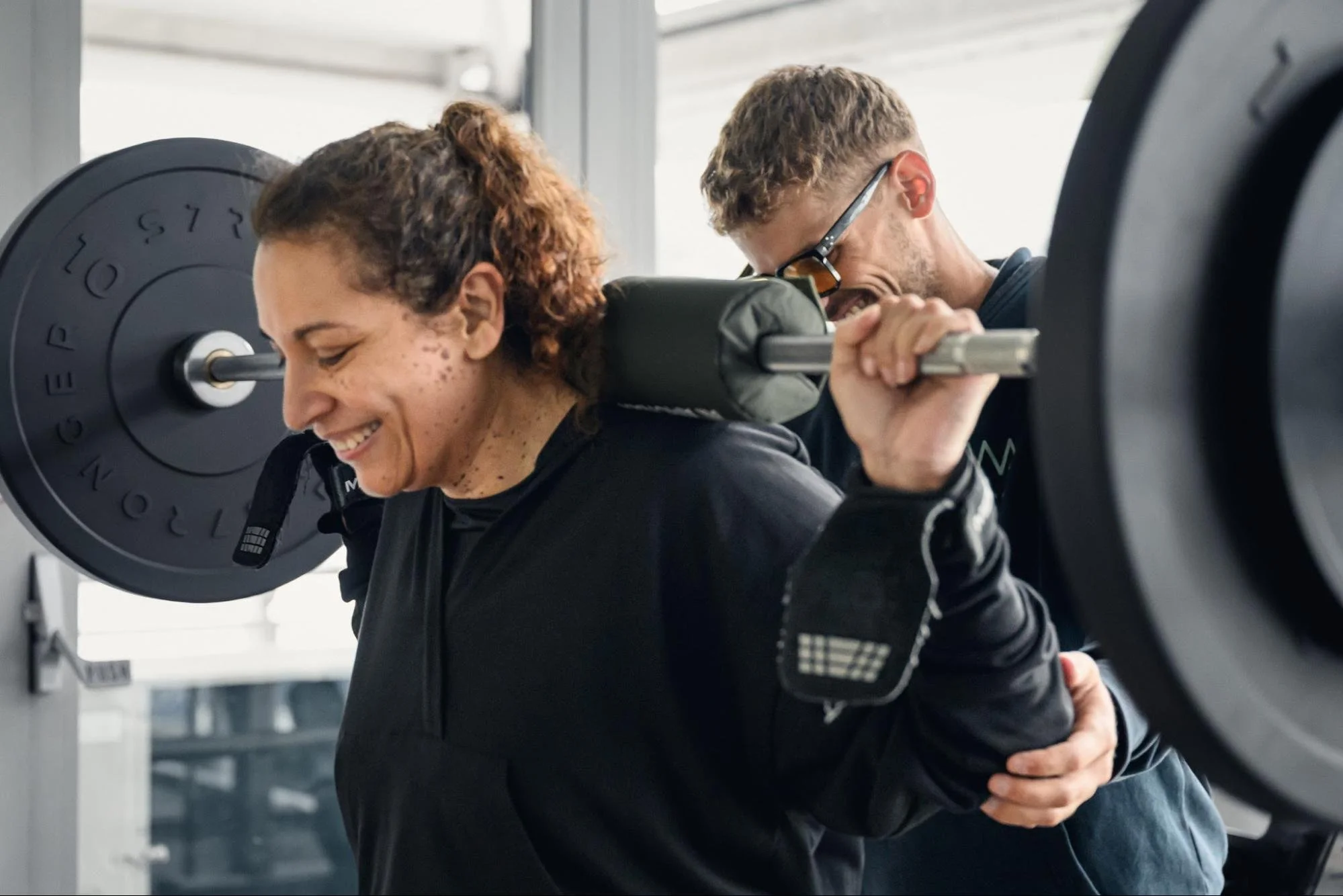
Getting back into exercise after a break can feel harder than starting for the first time. You might remember what your fitness levels used to be, the routine you once had or the weights you were comfortable lifting. But after time away, things can feel a little different.
Whether you stepped away because of work, family commitments, injury or simply because life got busy, returning to exercise doesn't mean picking up exactly where you left off. Your fitness, routine and priorities may have changed, and that's okay. The important thing is finding a way to get moving again that works for where you are right now.
If you're thinking about returning to exercise but aren't quite sure where to begin, here's where to start.
Why Can Getting Back Into Exercise Feel So Difficult?
One of the biggest challenges when returning to exercise is the expectation that you should be able to do what you used to. It's easy to compare your current fitness with a previous version of yourself, which can make even small steps forward feel disappointing. Alongside this, your schedule may look different, your priorities may have shifted and the routine that once made exercise part of your week might no longer fit your life.
Rather than trying to recreate your old routine, think about building a new one. Start with what feels manageable today and give yourself time to find your rhythm again.
Start From Where You Are Now, Not Where You Used to Be
Before jumping back into your previous training programme, take a moment to consider your current fitness, energy levels, how much time you have available and what you would like to achieve.
You may need to reduce the weights you were previously lifting, adjust the number of repetitions or choose different exercise variations. This isn't a step backwards. It's simply giving your body the opportunity to adapt and build strength again. The same applies to cardio. If you used to run regularly, for example, you might benefit from starting with a combination of walking and running before gradually increasing the distance or intensity.
Your starting point should feel challenging enough to make progress, without leaving you feeling overwhelmed or struggling to recover.
Build Consistency Before Intensity
When motivation returns, it can be tempting to do everything at once. You might want to strength train, run, attend classes and make up for the time you've missed. However, taking on too much too soon can make it harder to maintain your routine.
Instead, start with a manageable number of sessions each week. Two or three sessions that you can realistically fit into your schedule are far more useful than an ambitious plan that becomes difficult to sustain. As your fitness develops and exercise begins to feel like part of your routine again, you can gradually increase the frequency, duration or intensity of your sessions.
Allow time for rest and recovery, too. Your body needs time to adapt to the demands of exercise, particularly when you're returning after a longer break.
What Could a Balanced Week Look Like?
A balanced exercise routine doesn't need to be complicated. It should include a mix of training that supports your goals while allowing enough time for recovery.
Depending on your current fitness and preferences, this might include:
Strength training: To rebuild strength, support everyday movement and develop overall fitness.
Cardiovascular exercise: Walking, running, cycling or swimming to improve your cardiovascular fitness.
Mobility work: To help you move comfortably and maintain your range of movement.
Recovery: Rest days and lighter activity to give your body time to adapt.
You don't need to fit everything into every week straight away. Start with what feels realistic and build from there, finding a balance that works with your goals, fitness and lifestyle.
Common Mistakes When Returning to Exercise
There are a few things worth keeping in mind when restarting your routine.
Doing too much too soon: Increasing your training volume or intensity too quickly can make recovery difficult and increase the risk of injury.
Comparing yourself to your past fitness: Your previous training levels aren't necessarily the right benchmark for where you are today.
Skipping your warm-up: Preparing your body for the session is an important part of training, particularly when you're rebuilding your routine.
Overlooking recovery: Rest is part of the process. Consistently pushing through fatigue can make it harder to progress.
You don't need to make up for the time you spent away from exercise. Give yourself the time to rebuild and focus on making training something you can keep coming back to.
When Can Working With a Personal Trainer Help?
Knowing where to start isn't always straightforward. You might be unsure what exercises to do, how much to push yourself or how to progress without doing too much too soon. Working with a personal trainer can give you the structure and guidance to navigate those questions, with sessions planned around your current fitness, goals and any limitations you need to consider.
This can be particularly helpful if you're returning after an injury or a longer period away from exercise. A trainer can help you adapt your programme to your needs, while taking any advice from your healthcare professional into account.
Having someone guide your sessions can also take some of the pressure off. Rather than having to plan every workout yourself, you have someone helping you stay consistent, build confidence and work towards your goals over time.
If you're weighing up whether personal training is the right approach for you, we've also explored the differences between working with a personal trainer and having a gym membership in more detail.
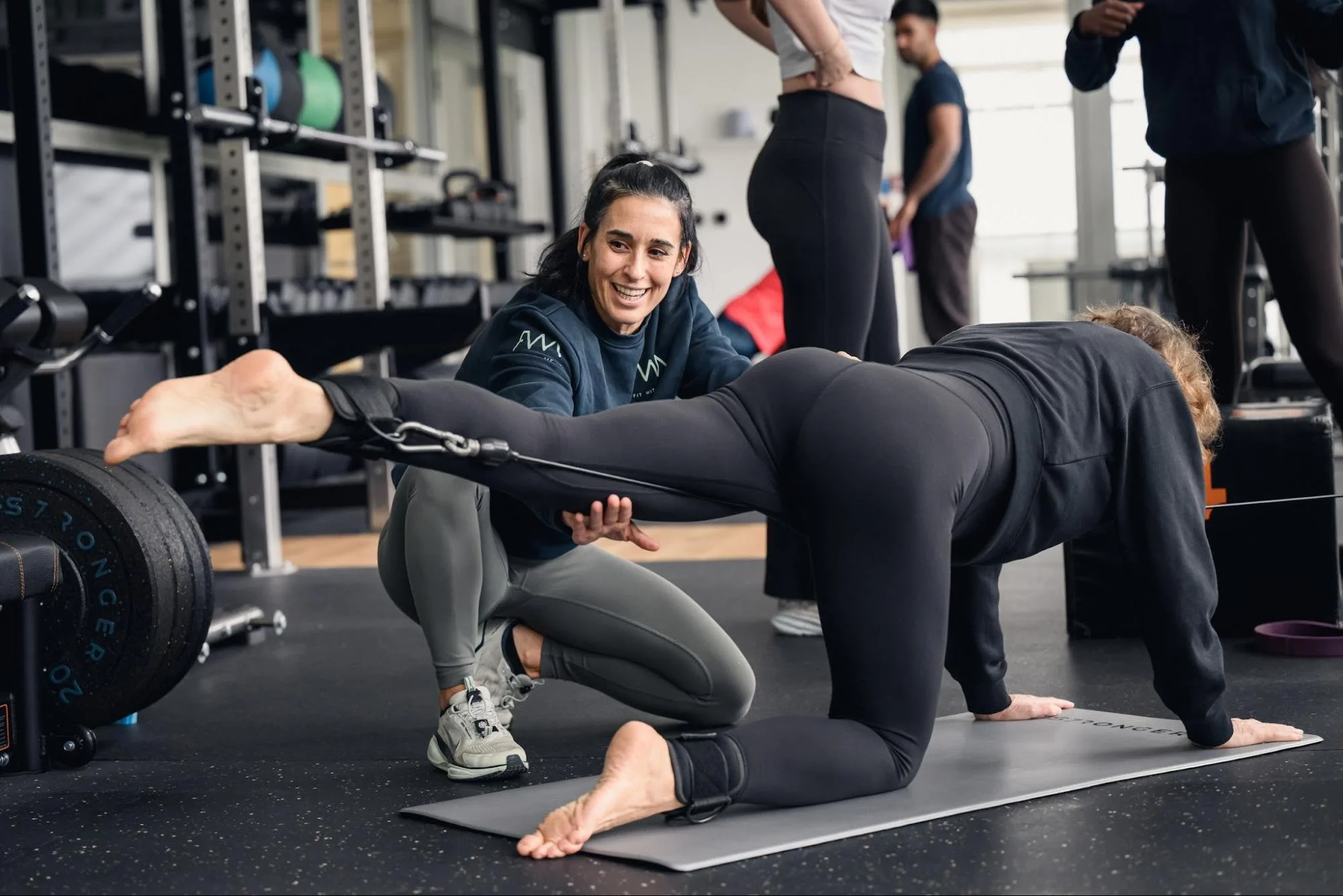
One Fit With Me member, Riana, shared her experience of returning to exercise after a long break:
"I am coming back to exercise after a long period off and Federico, my trainer, has been excellent at easing me back in. He listens attentively and seems to genuinely care about my wellbeing and coaching me to get me stronger and more confident in the gym. Each session feels tailored to the specific needs of the day and I leave his sessions feeling like I'm excited for the next one and also to work on my goals over the longer term together."
Riana, Fit With Me member
How Fit With Me Can Help You Get Back Into Training
At Fit With Me, your training starts with understanding you. Before your first session, your trainer will take the time to understand your previous experience, current circumstances, what you feel comfortable with and what you'd like to achieve. From there, sessions are tailored to your fitness level and adjusted as you progress, giving you the guidance to build strength, confidence and a routine that fits into your life.
Our private personal training studio at Lord's Cricket Ground in St John's Wood offers a more personal approach to training, with expert trainers and a welcoming community around you. Whether you're starting with the basics or working towards a specific goal, you don't need to have everything figured out before you walk through the door.
Ready to Get Started?
Getting back into exercise is about finding your starting point, not trying to do everything all at once. Focus on building a routine that works for you, give yourself time to progress and remember that you don't have to figure it all out on your own.
Book a free personal training session to see how it feels to train with us.